
Home | Seasonal Itinerary Suggestions: How to Plan the Perfect Sri Lanka TripYear-Round
Seasonal Itinerary Suggestions: How to Plan the Perfect Sri Lanka TripYear-Round
LET US HELP YOUR UNIQUE NEEDS
One of Sri Lanka’s greatest strengths as a travel destination is that it can be visited throughout the
year. Thanks to its compact size and unique weather patterns, there is always a region of the island
enjoying favourable conditions – whether it’s sun-soaked beaches, misty hill country, or wildlife-rich
national parks.
However, to truly experience Sri Lanka at its best, your itinerary should be planned around the
seasons. The experiences available in January are very different from those in July or October, and
choosing the right route can make the difference between a good holiday and an unforgettable
one.
This guide outlines seasonal itinerary suggestions for Sri Lanka, helping you understand where to go,
what to see, and how to structure your journey depending on when you travel.
Understanding Seasonal Travel in Sri Lanka
Sri Lanka’s climate is shaped by two monsoon systems rather than four distinct seasons:
- Southwest Monsoon (May–September): Affects the west and south coasts
- Northeast Monsoon (November–February): Affects the east and north.
This means that while one part of the island experiences rainfall, another enjoys sunshine—allowing
travellers to plan intelligently rather than avoid entire months.
Before choosing an itinerary, it’s helpful to understand:
- Which coast is at its best
- How conditions affect wildlife, beaches, and activities
- Crowd levels and travel pace during peak and off-peak periods
December to February: Classic Sri Lanka Highlights (West & South Focus)
Why Travel During This Season?
Ideal For
- First-time visitors
- Families and couples
- Beach holidays combined with culture
Suggested 10–12 Day Itinerary
Day 1 Destination Title Placement - Destination Title Placement 45 MIN
Destination Title Placement - Destination Title Placement 45 MIN
Arrive in Colombo and spend time exploring the city’s colonial landmarks, markets, and coastal
promenade. Negombo is ideal for a relaxed first night close to the airport.
Day 2 Destination Title Placement - Destination Title Placement 45 MIN
Destination Title Placement - Destination Title Placement 45 MIN

Passikudah
Pasikudah is one of the most underrated destinations in the country – an untouched jewel on the eastern coast of…

Ella
Ella serves as a poignant reminder that Sri Lanka is not just about beaches. Nestled in the central highlands, Ella…

Hikkaduwa
The embodiment of a quaint but vibrant little beach town, Hikkaduwa has long been a beloved destination for travellers seeking…
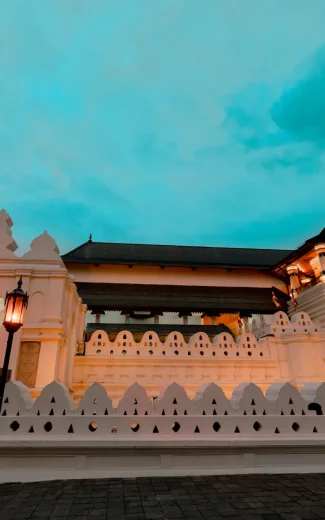
Kandy
The road to Kandy takes you high up the cool hills of Sri Lanka, leading you right into the last…
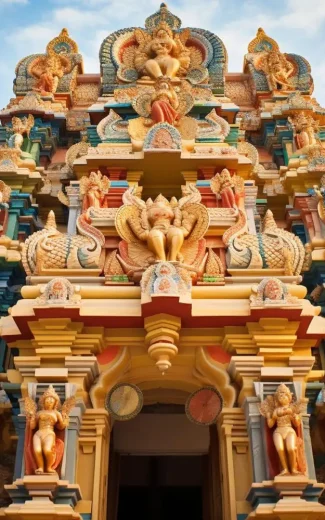
Jaffna
The untouched citadel in the northernmost region of the country, Jaffna, is unlike any other location in Sri Lanka, being…
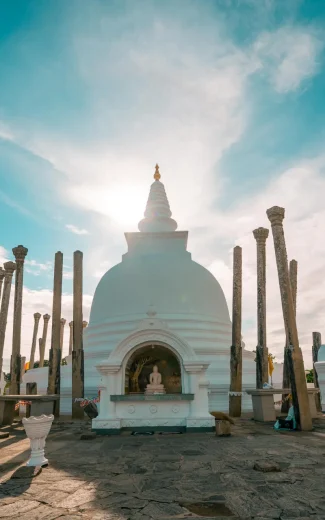
Anuradhapura
Anuradhapura is probably the most significant historical site in Sri Lanka, home to a number of astounding archaeological wonders. It…
Day 3 Destination Title Placement - Destination Title Placement 45 MIN
Destination Title Placement - Destination Title Placement 45 MIN
Passikudah
Pasikudah is one of the most underrated destinations in the country – an untouched jewel on the eastern coast of…
Ella
Ella serves as a poignant reminder that Sri Lanka is not just about beaches. Nestled in the central highlands, Ella…
Hikkaduwa
The embodiment of a quaint but vibrant little beach town, Hikkaduwa has long been a beloved destination for travellers seeking…
Kandy
The road to Kandy takes you high up the cool hills of Sri Lanka, leading you right into the last…
Jaffna
The untouched citadel in the northernmost region of the country, Jaffna, is unlike any other location in Sri Lanka, being…
Anuradhapura
Anuradhapura is probably the most significant historical site in Sri Lanka, home to a number of astounding archaeological wonders. It…
Why Travel During This Season?
- Southwest Monsoon (May–September): Affects the west and south coasts
- Northeast Monsoon (November–February): Affects the east and north.
This means that while one part of the island experiences rainfall, another enjoys sunshine—allowing
travellers to plan intelligently rather than avoid entire months.
Before choosing an itinerary, it’s helpful to understand:
- Which coast is at its best
- How conditions affect wildlife, beaches, and activities
- Crowd levels and travel pace during peak and off-peak periods
